
How Do Eye Movement Problems Affect Balance and Dizziness After a Concussion?

CT Brain & Junction • May 12, 2026

The Connection Between Vision and Balance

Balance depends on coordination between three systems: the visual system (eyes), the vestibular system (inner ear), and the body’s sense of position. These systems constantly communicate to help you stay oriented and stable.


After a concussion, this communication can become less efficient—especially when the visual system is involved.

Why Eye Movement Issues Are So Common

A large percentage of individuals experience some form of eye movement dysfunction following a concussion. These issues may not always be obvious at first, but they can significantly impact how the brain processes movement and space.


Common challenges include difficulty tracking objects, maintaining focus on close-up text, or coordinating both eyes together.

How Visual Dysfunction Affects the Brain

When the eyes are not functioning properly, they send less accurate information to the brain. At the same time, the inner ear and body continue sending their own signals.


The brain must then try to interpret this conflicting information, which increases effort and reduces efficiency.

Sensory Mismatch and Dizziness

When different systems provide inconsistent input, the brain experiences what is known as a sensory mismatch. This can create symptoms such as dizziness, imbalance, or a general feeling of being off.


These symptoms may appear during activities like reading, using a phone, or even standing still.

Common Vision-Related Concussion Symptoms

  • Difficulty reading or focusing


  • Eye strain and fatigue


  • Blurred vision during close tasks


  • Trouble tracking movement


These symptoms often contribute to larger issues like brain fog and balance problems.

The Impact on Daily Activities

Visual dysfunction can make everyday tasks more challenging. Activities that require sustained focus—such as working on a computer, reading, or driving—may feel more demanding and lead to quicker fatigue.


Over time, this can affect productivity, concentration, and overall quality of life.

How Vision Therapy and Neurological Rehab Help

At CT Junction Brain & Spine, treatment focuses on identifying exactly where the visual system is not functioning properly. Targeted exercises are then used to retrain eye movements, improve coordination, and restore communication between systems.


As these systems begin to work together more efficiently, patients often experience reduced dizziness, improved balance, and better overall clarity.

frequently asked questions

  • How do my eyes affect balance after a concussion?

    Your eyes provide key information about your surroundings. When they are not working properly, balance becomes harder to maintain.

  • What vision issues are common after a concussion?

    Tracking problems, focusing difficulty, and poor eye coordination are all common.

  • Why do I feel off balance even without dizziness?

    This can happen when the brain receives inconsistent signals from different systems.

  • Can vision problems cause brain fog?

    Yes, inefficient visual processing increases mental fatigue and reduces concentration.

  • How does vision therapy help?

    It retrains eye movement and coordination, improving how the brain processes visual information.

Woman holding her head with eyes closed, showing pain or stress against a gray background
By CT Junction Brain & Spine May 12, 2026
Understanding Overstimulation After a Concussion
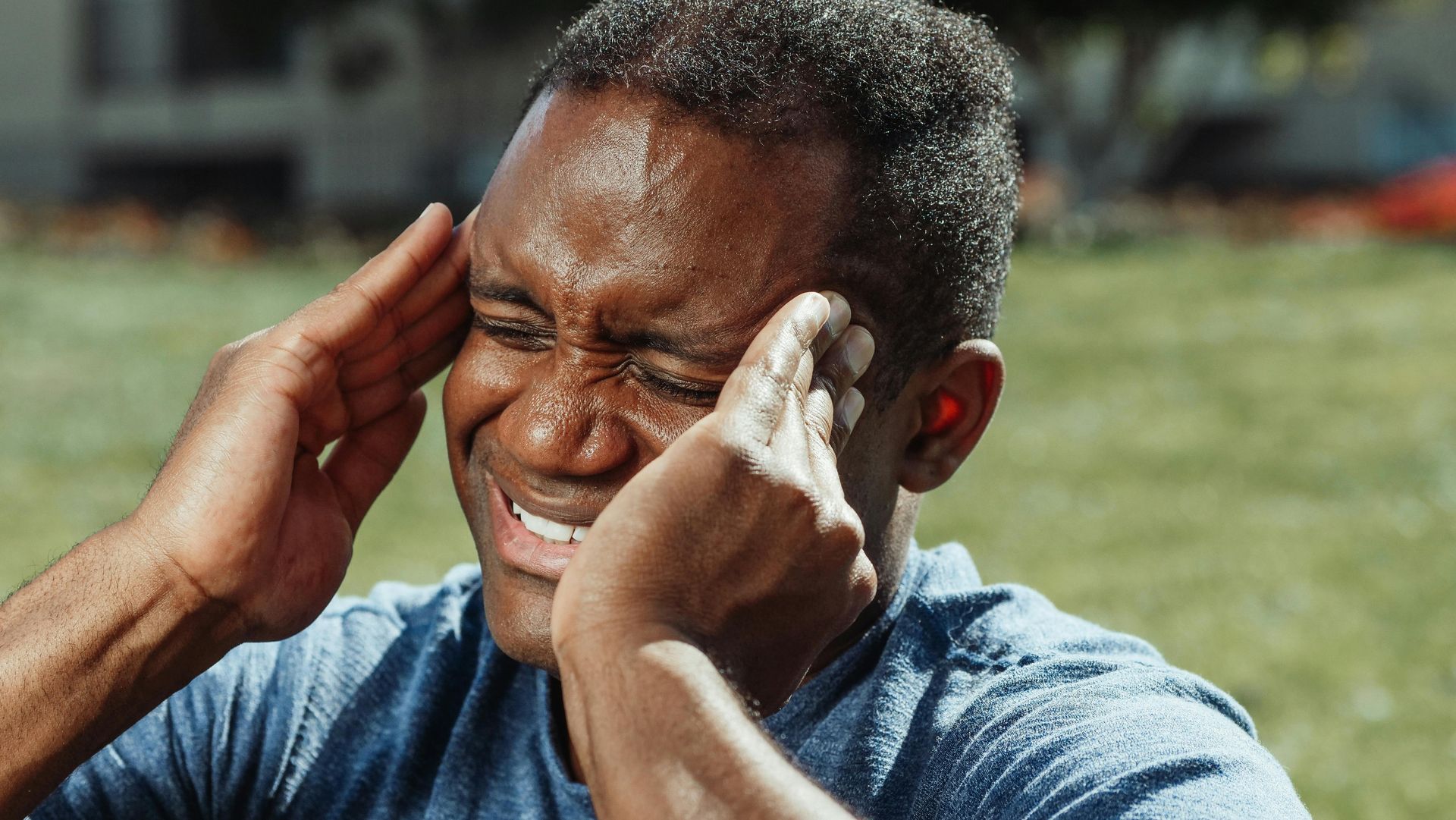
Man holding his temples with eyes shut, grimacing outdoors on a sunny day
By CT Junction Brain & Spine May 12, 2026
Learn why concussion symptoms come and go instead of staying consistent. Discover common triggers, sensory overload, and how neurological rehab can help stabilize recovery.
Hands cradling a pregnant belly, with a blue shirt and wristwatch visible
By CT Junction Brain & Spine May 12, 2026
Struggling in crowds after a concussion? Learn why busy environments trigger dizziness and how vestibular and neurological rehab can help improve sensory processing.
Man reaching up to adjust a round wall fixture on a white wall with other fixtures and black markers
By CT Junction Brain & Spine May 12, 2026
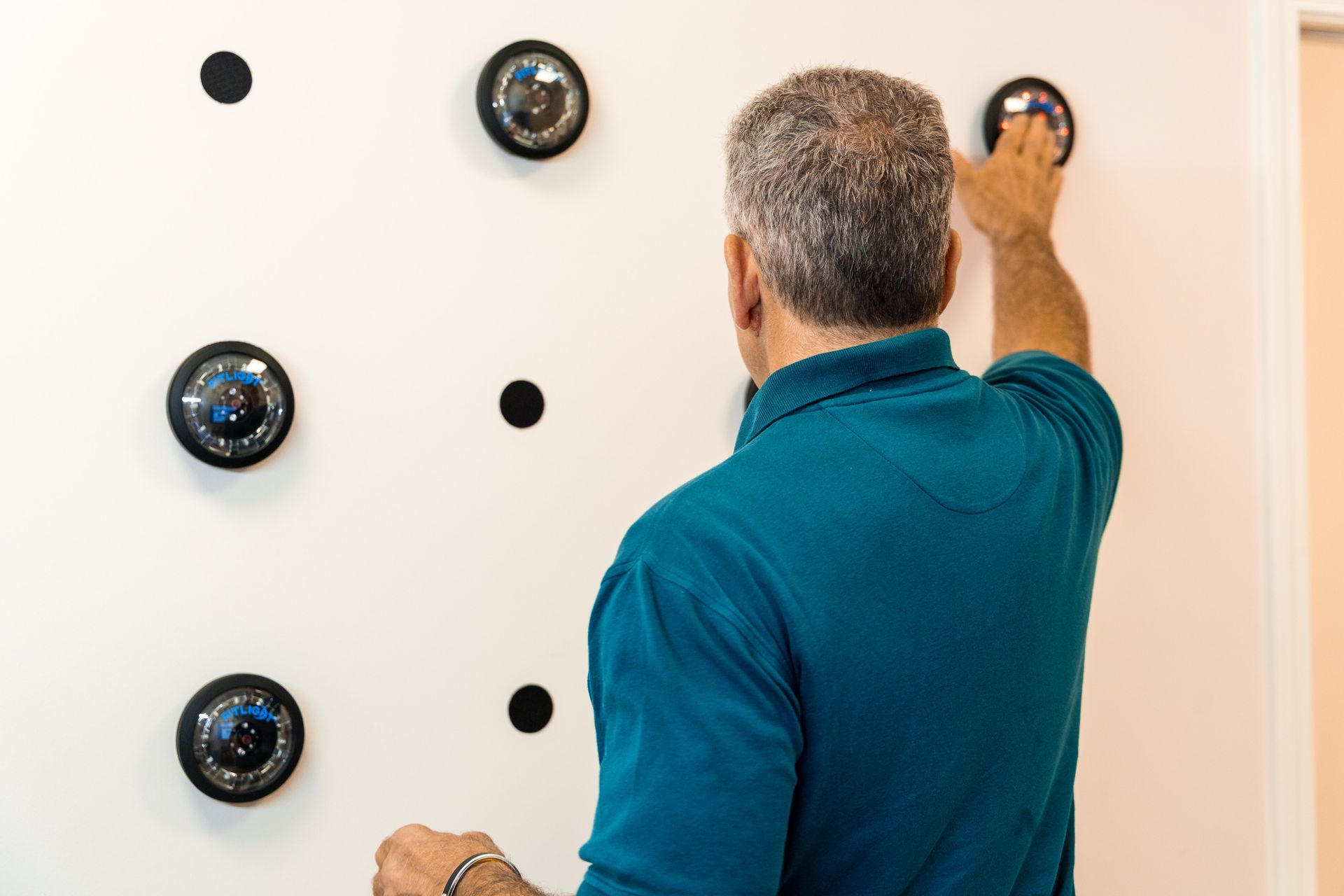
Learn how neurological rehabilitation differs from physical therapy and why it’s essential for effective concussion recovery.

Woman using a laptop in bed, leaning forward with a focused expression in a softly lit bedroom
By CT Junction Brain & Spine May 12, 2026
Do screens worsen your concussion symptoms? Learn how eye strain, visual processing, and neurological stress impact recovery—and how rehab can help.
Person with head down on open books, surrounded by doodled scribbles, at a desk
By CT Junction Brain & Spine May 12, 2026
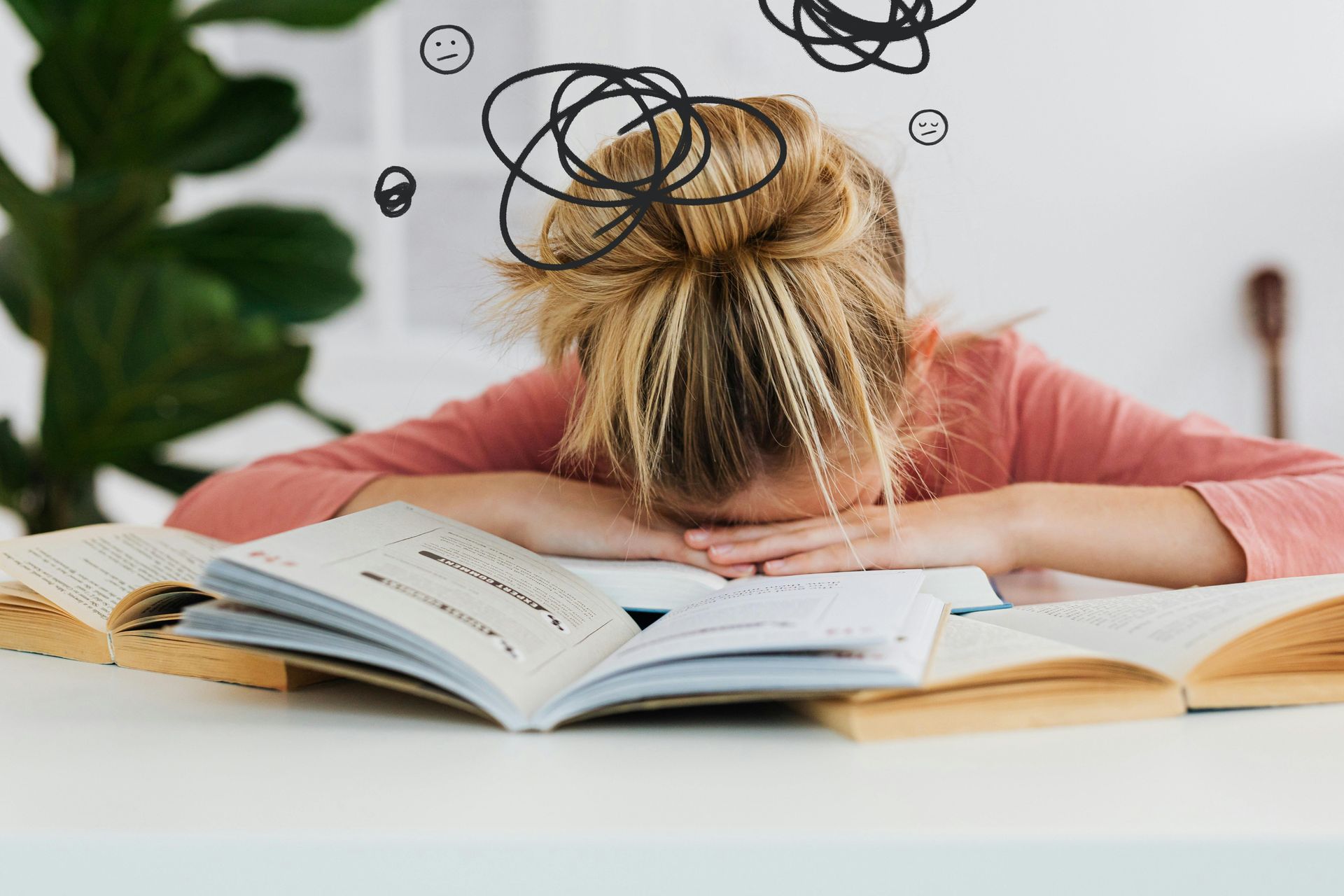
Struggling with brain fog after a concussion? Learn what causes it, why it happens, and how neurological rehab helps restore focus, clarity, and cognitive function.
A person in a blue shirt opening a glass door at the CT Junction clinic under the text
By CT Junction Brain & Spine March 24, 2026
Learn what happens during a concussion evaluation at CT Junction Brain & Spine, including testing, diagnosis, and next steps for safe recovery.
A person fills out paperwork at a front desk in a clinic, with the text
By CT Junction Brain & Spine March 24, 2026
Discover how long concussion recovery usually takes, what affects healing time, and how CT Junction Brain & Spine supports a safe, full recovery.
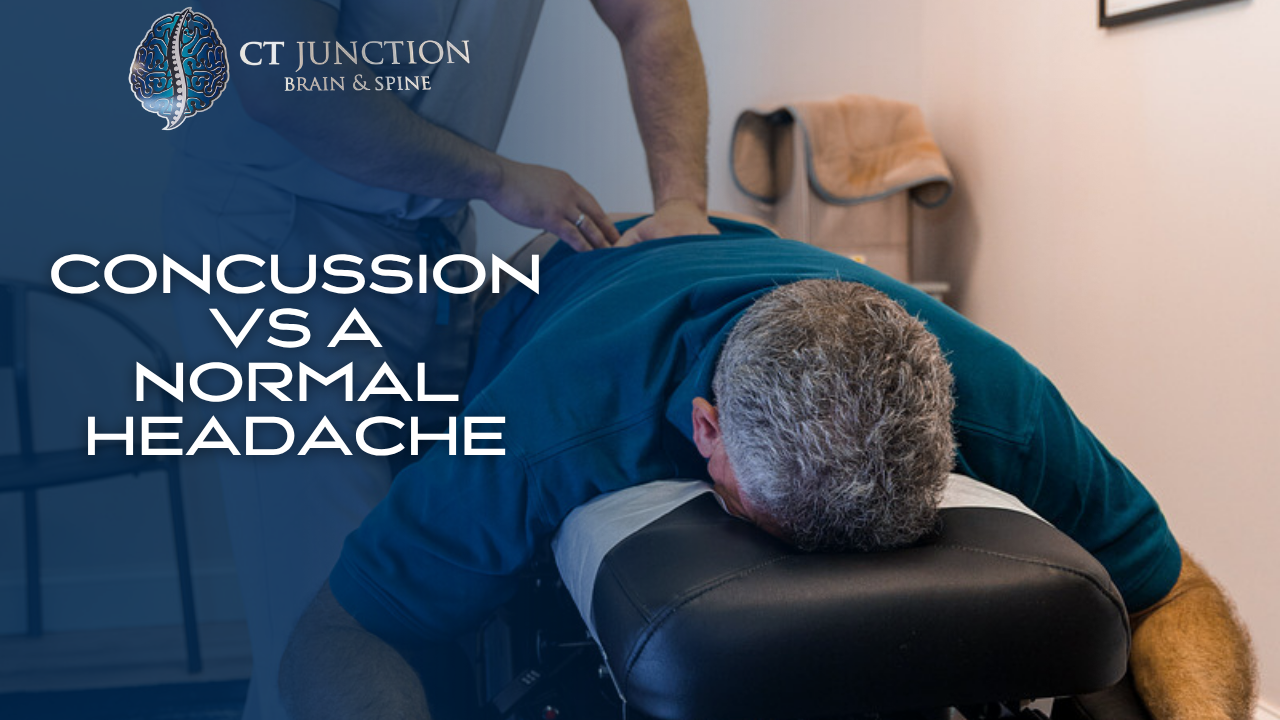
A chiropractor adjusts a patient's back on a treatment table, with the text
By CT Junction Brain & Spine March 24, 2026
Understand the difference between a concussion and a headache or dizziness, including key symptoms, warning signs, and when to seek expert care.
A healthcare professional gestures toward a screen displaying
By CT Junction Brain & Spine March 13, 2026
Learn what to do immediately after a concussion or head injury, when to seek emergency care, and when to see a concussion specialist.
Show More