
How Can You Tell the Difference Between a Concussion and a Normal Headache or Dizziness?

CT Junction Brain & Spine • March 24, 2026

How Can You Tell the Difference Between a Concussion and a Normal Headache or Dizziness?

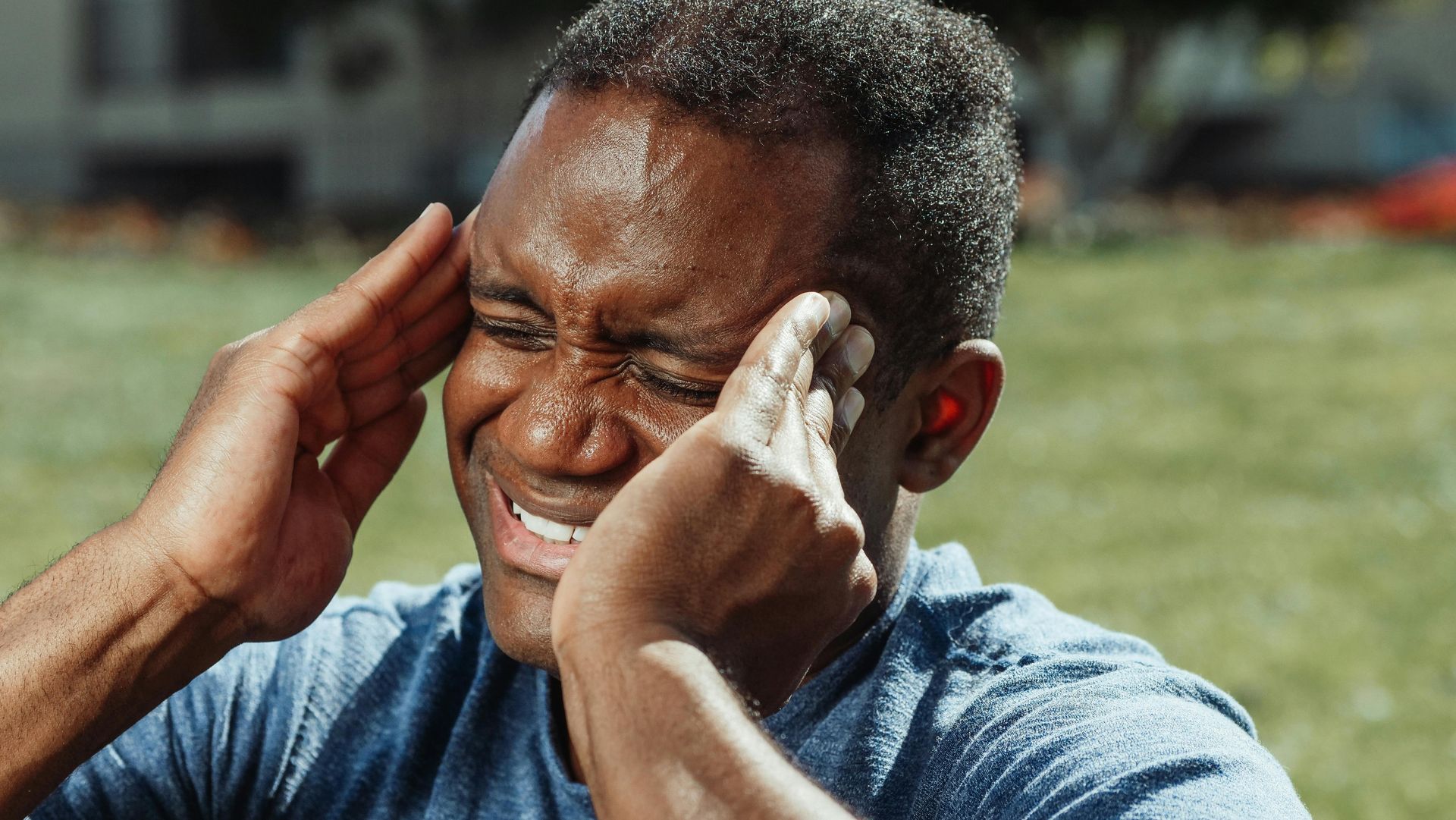
A normal headache and concussion-related symptoms can feel similar at first, which is why many people delay getting help. The key difference is often the context, the timing, and the pattern of symptoms after an injury. This blog explains how to tell whether a headache or dizziness may be connected to a concussion and when to consider a specialist evaluation at CT Junction Brain & Spine.

A Concussion Usually Follows a Specific Event

One of the biggest clues is whether symptoms started after a clear event, such as:


  • a fall
  • a car accident
  • a sports collision
  • hitting your head
  • a sudden whiplash-type movement


A headache that appears without trauma may still need medical attention, but it is not automatically a concussion.


Concussion symptoms are more likely when there is a specific injury followed by a noticeable change in how the person feels, thinks, sees, or balances.


If someone says, “I was fine before the accident, and now I have headaches twice a week,” that change matters.

A Normal Headache Usually Does Not Come With a Bigger Cluster of Symptoms

A standard headache may happen on its own. A concussion often includes a group of symptoms that may involve the brain, eyes, balance system, and neck at the same time.


These can include:


  • headache
  • dizziness
  • light sensitivity
  • noise sensitivity
  • nausea
  • trouble concentrating
  • neck pain
  • brain fog
  • balance issues


That combination makes concussion more likely than a simple headache alone.

Dizziness After a Head Injury Deserves a Closer Look

Dizziness is a general symptom, not a diagnosis. After a concussion, dizziness may come from multiple systems, including:


  • the brain
  • the eyes
  • the inner ear
  • the neck


That is why a person cannot always tell on their own whether the issue is “just dizziness” or part of a larger concussion pattern. If the dizziness began after trauma, feels unusual, or keeps happening with motion, screens, reading, or quick turns, it should be assessed more carefully.

When a Professional Evaluation Makes a Big Difference

Many people try to “walk it off” because the symptoms do not seem severe enough at first. The problem is that untreated concussion-related symptoms can linger, especially if the underlying cause is not identified correctly.


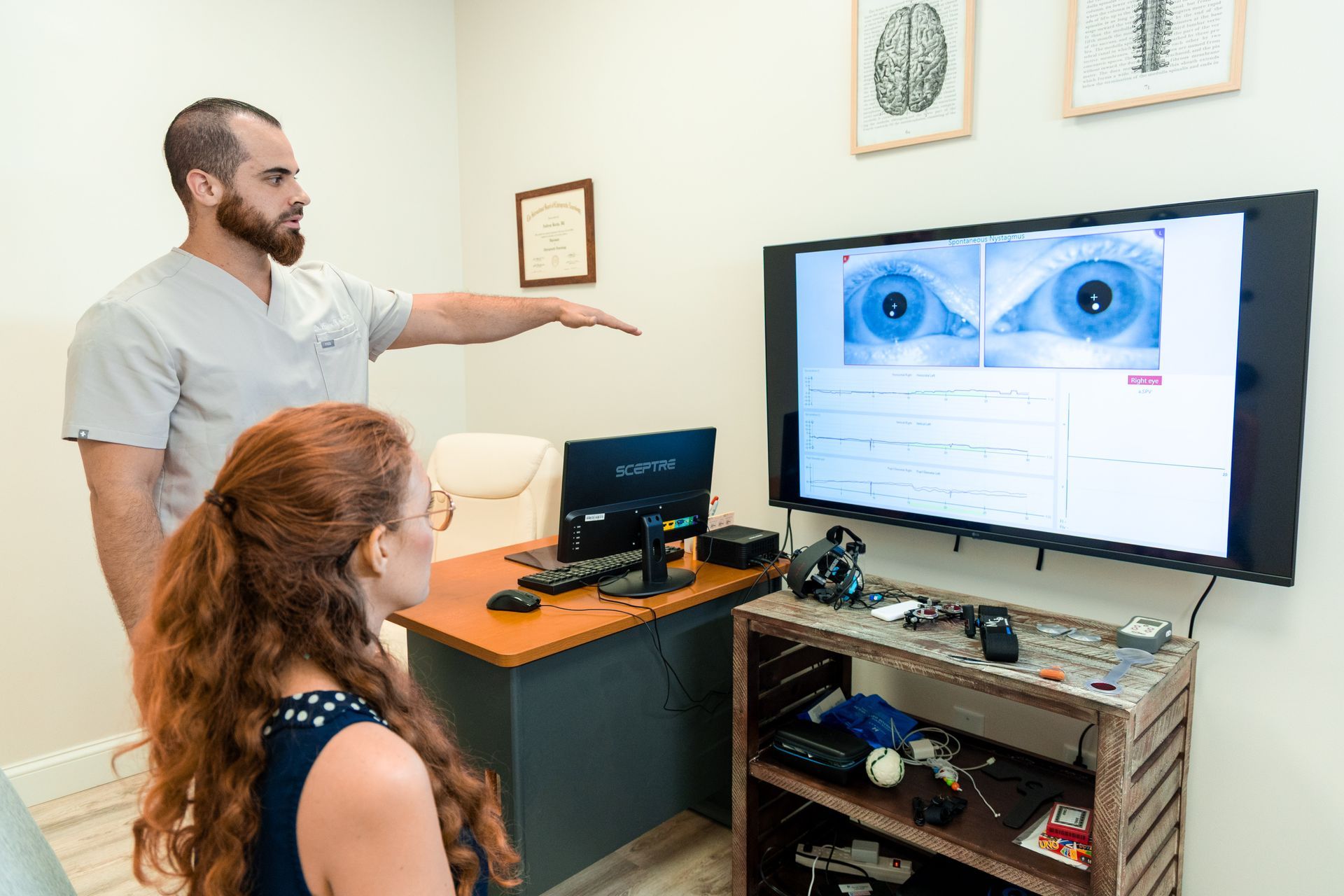
At CT Junction Brain & Spine, the goal is to determine what is actually driving the symptoms. Instead of looking at the problem through only one lens, the evaluation can help sort out whether the main issue is neurological, vestibular, visual, cervical, or a combination.


That clarity is often what patients have been missing.

frequently asked questions

  • How do I know if my headache is from a concussion?

    If the headache started after a head injury or whiplash event and came with other symptoms like dizziness, light sensitivity, or brain fog, concussion is more likely.

  • Can dizziness be the only sign of a concussion?

    It can be one of the main signs, but it often appears along with other symptoms.

  • Is every headache after an accident a concussion?

    Not necessarily. Some headaches come more from the neck or other causes, which is why a proper evaluation matters.

  • Can whiplash cause symptoms that feel like a concussion?

    Yes. Whiplash can cause overlapping symptoms, including headache, dizziness, and neck pain.

  • Should I wait to see if it goes away?

    If symptoms persist, worsen, or affect daily life, it is better to get evaluated sooner rather than later.

A person in a blue shirt opening a glass door at the CT Junction clinic under the text
By CT Junction Brain & Spine March 24, 2026
Learn what happens during a concussion evaluation at CT Junction Brain & Spine, including testing, diagnosis, and next steps for safe recovery.
A person fills out paperwork at a front desk in a clinic, with the text
By CT Junction Brain & Spine March 24, 2026
Discover how long concussion recovery usually takes, what affects healing time, and how CT Junction Brain & Spine supports a safe, full recovery.
A healthcare professional gestures toward a screen displaying
By CT Junction Brain & Spine March 13, 2026
Learn what to do immediately after a concussion or head injury, when to seek emergency care, and when to see a concussion specialist.
A healthcare professional examines a patient's neck, with text overlay:
By CT Junction Brain & Spine March 13, 2026
Neck injuries and concussions often happen together after falls, sports injuries, and car accidents. Learn how whiplash and concussion symptoms can overlap.
Two clinicians in a medical setting review a brain scan on a monitor next to the text
By CT Junction Brain & Spine March 13, 2026
Learn the most common concussion symptoms after a head injury, including headache, dizziness, brain fog, light sensitivity, and neck pain.
A medical professional speaks to a patient in an office with the text overlay
By CT Junction Brain & Spine March 11, 2026
Dizziness after a concussion may involve the brain, eyes, inner ear, or neck. Learn why balance problems happen and how CT Junction evaluates the cause.
A professional in scrubs shakes hands with a person in a clinic office. The text asks: Can chiropractic care help recovery?
By CT Junction Brain & Spine March 11, 2026
Learn how chiropractic care may support concussion recovery by addressing neck pain, whiplash, headaches, and related symptoms.
Dave, a patient, giving a testimonial. He is wearing glasses and a blue shirt, with a dark blue backdrop.
By CT Junction Brain & Spine February 20, 2026
Discover how chiropractic care can relieve nerve, spine, shoulder, and hand pain. Restore mobility, reduce discomfort, and improve daily function.
Amy, a patient, smiles in a testimonial video for CT Junction Brain Clinic. Blue background.
By CT Junction Brain & Spine February 20, 2026
Experience personalized chiropractic care at CT Junction Brain & Spine. Relieve lower back pain, improve mobility, and restore daily comfort with Dr. Rosha.
Man in a white shirt, smiling, in front of a blue sign for
By CT Junction Brain & Spine February 20, 2026
Relieve gym-related neck pain with gentle chiropractic care, cupping therapy, and e-stim at CT Junction Brain and Spine. Restore mobility, and recover faster.