
What Happens During a Concussion Evaluation at CT Junction Brain & Spine?
Many patients are nervous before their first concussion evaluation because they do not know what to expect. At CT Junction Brain & Spine, the process is designed to go deeper than a basic symptom checklist and help identify what is actually causing ongoing problems. This blog explains what a concussion evaluation may include and why a more complete assessment matters.
The Process Starts Before the Appointment
Before the visit, patients may receive paperwork and validated outcome forms.
These forms help document:
- symptom severity
- functional limitations
- patterns in dizziness, headache, and brain fog
- how symptoms affect daily life
This step is important because it gives the clinical team a starting point and helps organize the case before testing begins.
The Examination Is Thorough and Multi-System
CT Junction’s concussion evaluation can last between 2.5 to 3 hours total. That is because the goal is not to rush through symptoms, but to assess the systems that may be contributing to the problem.
Instead of looking at only one body part or one complaint, the clinic works to identify which domains are involved and how they relate to one another.
Advanced Diagnostics and Bedside Testing Help Build the Full Picture
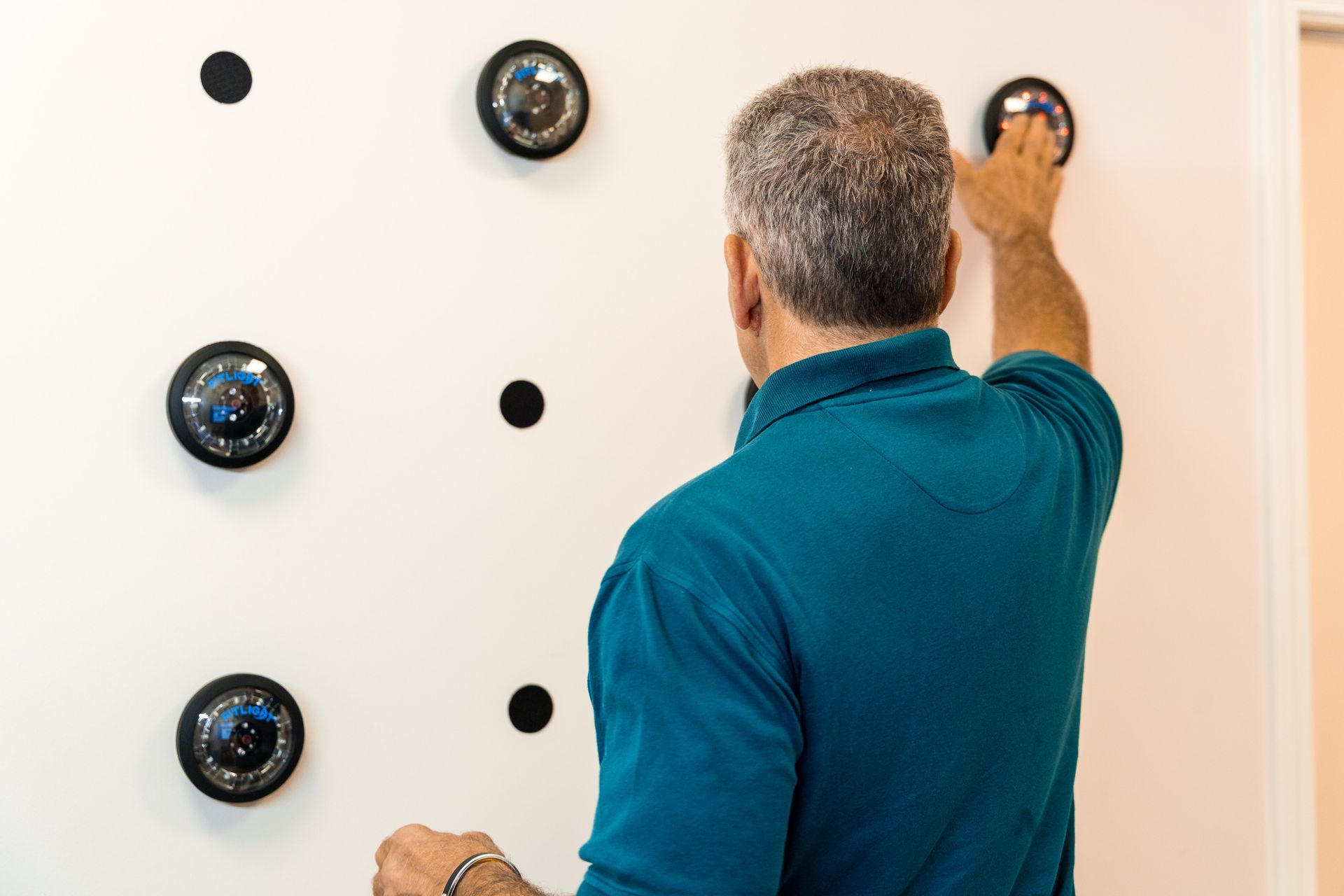
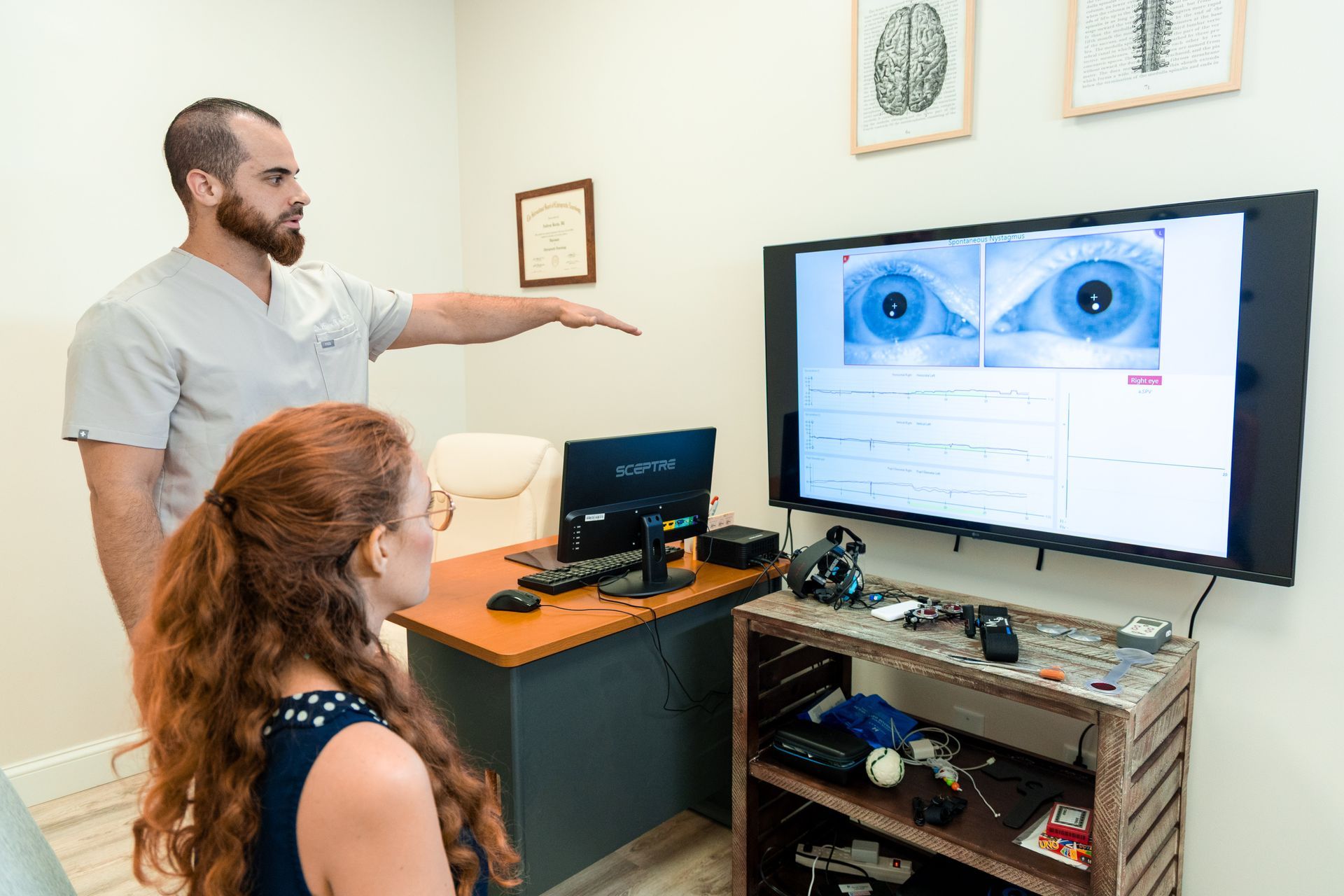
The evaluation may include tools and tests related to:
- eye tracking
- balance tracking
- vestibular function
- neurological responses
- cervical involvement
- symptom provocation patterns
This matters because dizziness, headaches, visual strain, and brain fog can come from different sources. A person might think they have “just a concussion,” when in reality the case may involve several overlapping issues.
The Goal Is Not Just Identification — It Is Direction
One of the biggest frustrations patients have is being sent from provider to provider without a clear plan. At CT Junction Brain & Spine, the goal is to help patients leave with answers and a treatment direction.
That may include identifying whether symptoms are more related to:
- concussion-related neurological dysfunction
- visual problems
- vestibular issues
- neck dysfunction
- mixed patterns
Patients are not just told what might be wrong. They are guided toward a comprehensive treatment plan based on what testing shows.
frequently asked questions
How long is a concussion evaluation at CT Junction Brain & Spine?
Based on the meeting notes, the evaluation may take about 2.5 to 3 hours because it is comprehensive.
What do they test during a concussion exam?
They may assess eye tracking, balance, vestibular function, neurological signs, and cervical involvement.
Why is the evaluation so detailed?
Because concussion symptoms can come from multiple systems, and a detailed exam helps identify the real source.
Title or Question
Describe the item or answer the question so that site visitors who are interested get more information. You can emphasize this text with bullets, italics or bold, and add links.Title or Question
Describe the item or answer the question so that site visitors who are interested get more information. You can emphasize this text with bullets, italics or bold, and add links.
How long is a concussion evaluation at CT Junction Brain & Spine?
Based on the meeting notes, the evaluation may take about 2.5 to 3 hours because it is comprehensive.
What do they test during a concussion exam?
They may assess eye tracking, balance, vestibular function, neurological signs, and cervical involvement.
Why is the evaluation so detailed?
Because concussion symptoms can come from multiple systems, and a detailed exam helps identify the real source.
Will I get a treatment plan after the evaluation?
That is the goal — to provide clarity and a path forward rather than just a vague symptom label.
Is this different from a basic ER concussion check?
Yes. Emergency care rules out urgent danger, while a specialty evaluation looks more closely at ongoing functional problems and recovery needs.