
What Causes Brain Fog After a Concussion—and How Do You Treat It?
Understanding Brain Fog After a Concussion
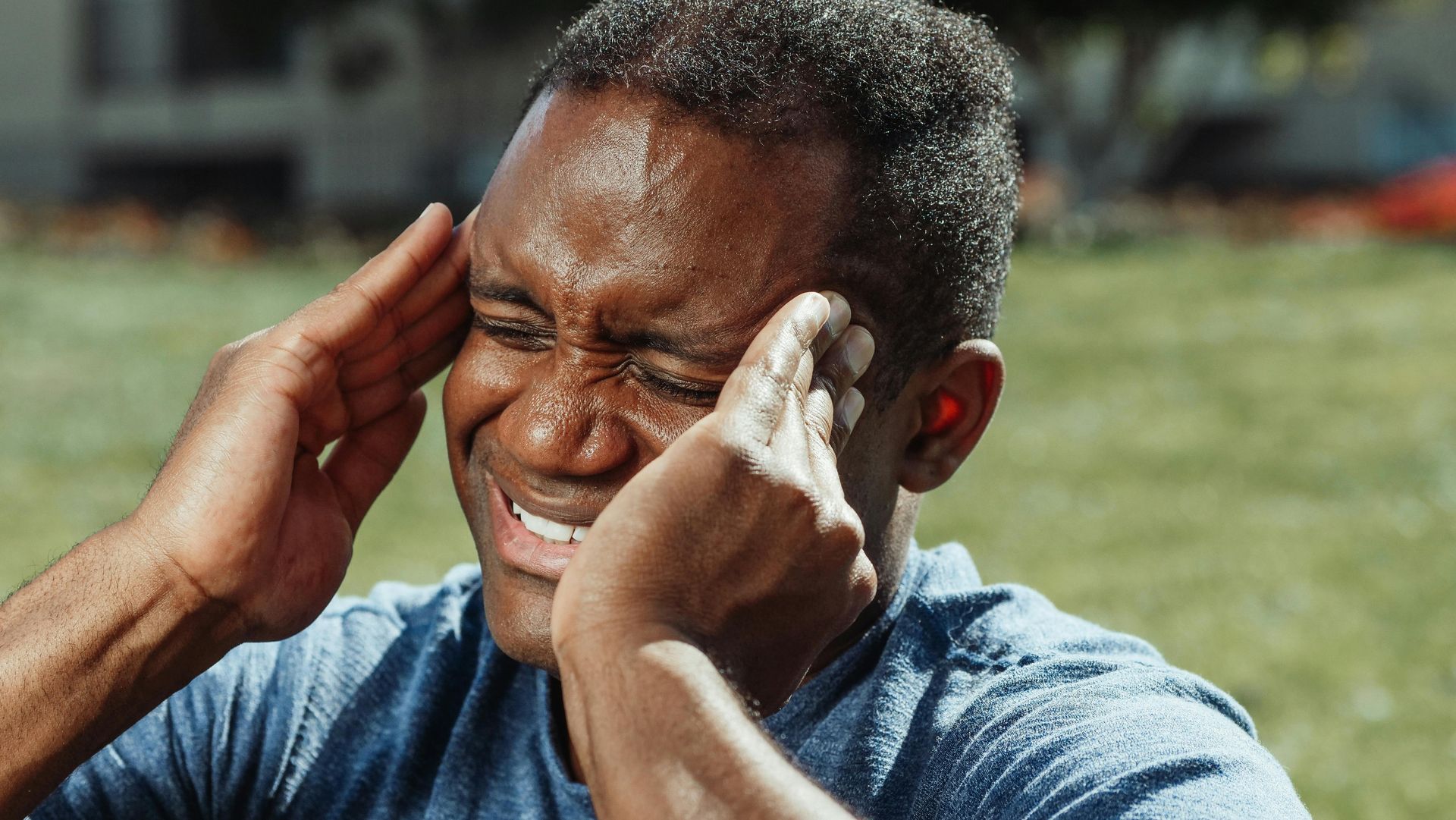
“Brain fog” is one of the most common symptoms people experience after a concussion. Patients often describe it as feeling mentally slow, unfocused, or disconnected from their normal thinking patterns.
While it feels like a single issue, brain fog is not actually a diagnosis on its own. Instead, it is a symptom that can come from multiple disruptions within the brain and nervous system.
After a concussion, several systems may be affected at the same time, including visual processing, balance, cognitive efficiency, and sensory integration. When these systems are not working together smoothly, mental clarity can significantly decrease.
Because of this complexity, brain fog requires more than a generalized approach—it requires identifying what systems are not functioning efficiently.
Why Brain Fog Isn’t Just One Problem
Brain fog after a concussion is rarely caused by a single factor. Instead, it is often the result of overlapping dysfunction across multiple systems in the brain.
Some of the most common contributors include difficulties with visual processing, challenges in balance and vestibular function, reduced cognitive efficiency, and disruptions in how the brain filters and organizes sensory input.
These systems are deeply connected, which means a problem in one area can influence another. For example, visual strain may increase mental fatigue, which then reduces focus and processing speed. Over time, this can create a cycle where symptoms reinforce each other.
As a result, individuals may experience ongoing challenges such as difficulty concentrating, mental fatigue during simple tasks, or feeling easily overwhelmed in stimulating environments.
How Comprehensive Testing Identifies the Root Cause
Because brain fog can come from multiple systems, accurate evaluation is essential.
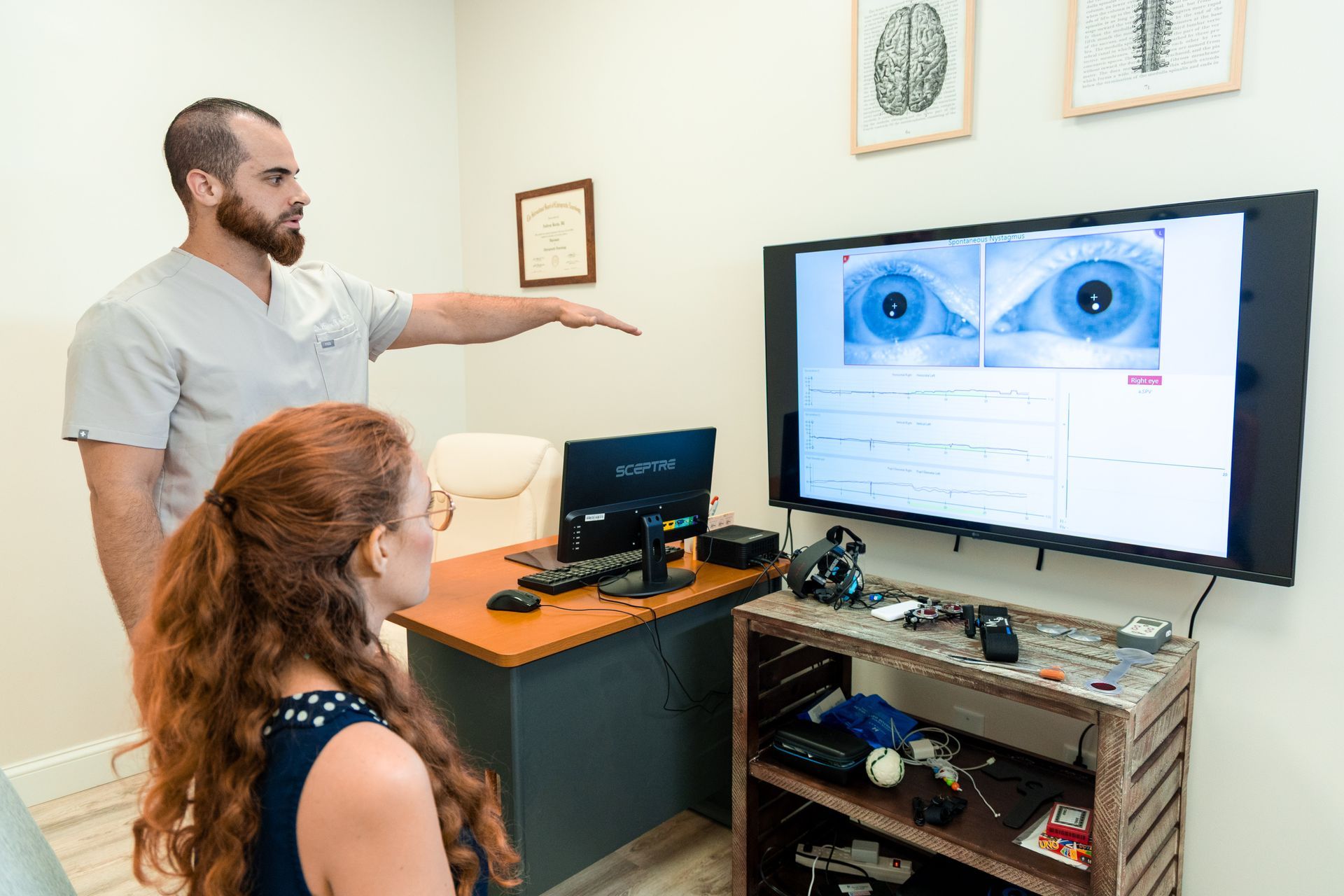
At CT Junction Brain & Spine, assessment is designed to identify which specific systems are not functioning efficiently. This allows treatment to be targeted rather than generalized.
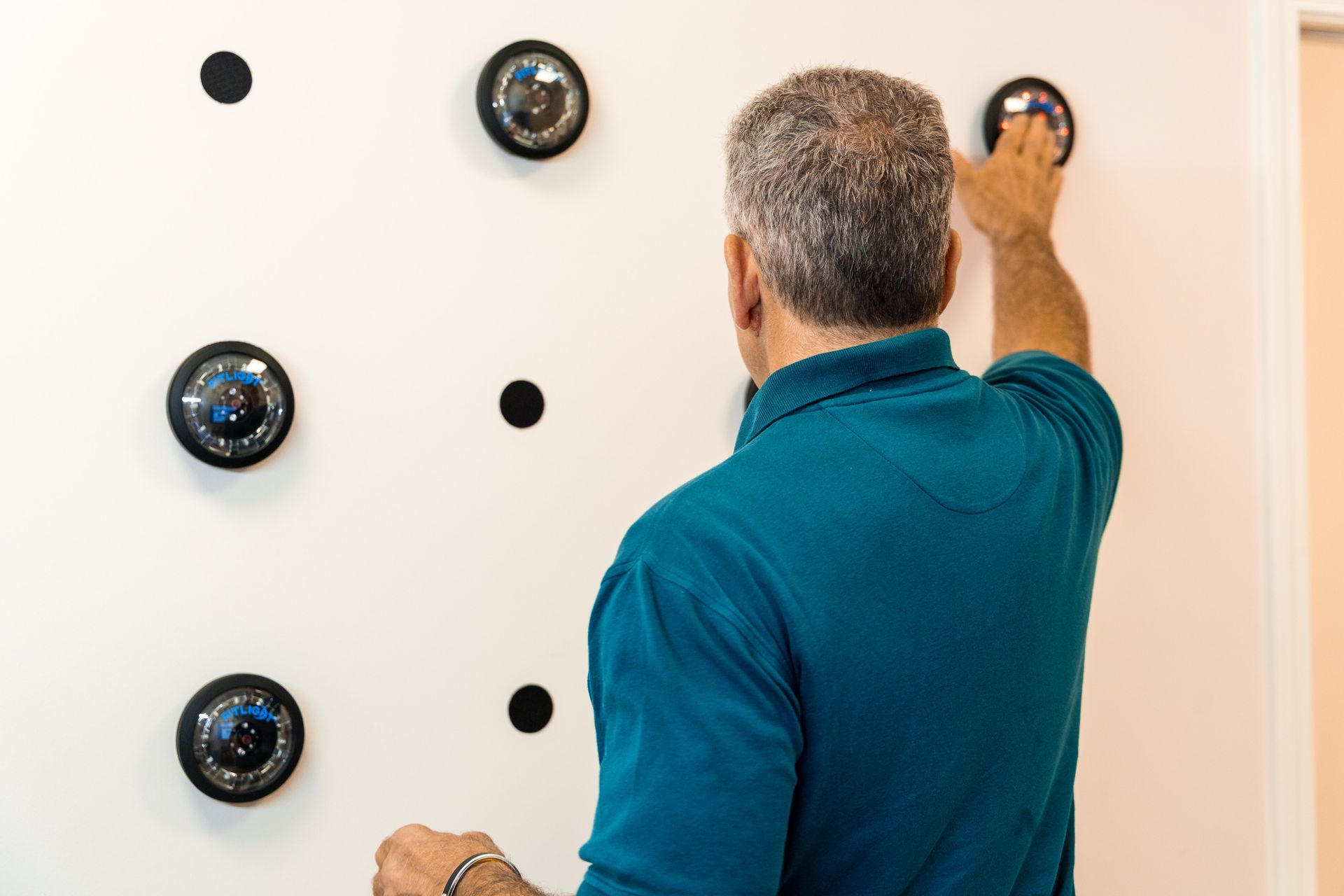
Evaluation may include testing of:
- Eye movement and visual coordination
- Balance and vestibular function
- Cognitive processing speed and reaction time
- Neurological communication between systems
This approach helps determine whether symptoms are primarily driven by visual dysfunction, vestibular imbalance, cognitive inefficiency, or a combination of factors.
Understanding the root cause is a critical step toward meaningful recovery.
How Neurological Rehabilitation Improves Brain Function
Once the underlying issues are identified, treatment focuses on helping the brain rebuild efficiency through structured rehabilitation.
Neurological rehab is not passive—it is an active, brain-based training process that uses repetition and targeted exercises to improve how different systems communicate.
Depending on the individual’s needs, treatment may include vision-based exercises to improve tracking and focus, balance training to restore vestibular stability, and cognitive drills designed to improve processing speed and mental clarity.
Over time, repetition helps reinforce stronger neural pathways, allowing the brain to function more efficiently.
As recovery progresses, patients often notice gradual improvements in focus, reduced mental fatigue, better memory, and an improved ability to handle daily cognitive demands.
frequently asked questions
What does brain fog feel like after a concussion?
Brain fog often feels like mental slowing, difficulty focusing, reduced clarity, or a sense of being “mentally off” compared to normal thinking.
Will brain fog go away on its own?
In some cases, symptoms may improve over time. However, when underlying neurological dysfunction is present, targeted rehabilitation can support a more structured and efficient recovery process.
How is brain fog treated after a concussion?
Treatment focuses on identifying which systems are affected—such as vision, balance, or cognitive processing—and then using neurological rehabilitation to retrain and improve those systems.