
Why Do I Feel Dizzy in Busy Places After a Concussion?

CT Junction Brain & Spine • May 12, 2026

Understanding Overstimulation After a Concussion

It is very common for patients to feel completely normal in quiet environments, yet experience dizziness, nausea, or discomfort in busy settings such as grocery stores, shopping centers, or restaurants. This response is not unusual—it reflects how the brain processes information after a concussion.


Following a head injury, the brain’s ability to filter and prioritize sensory input becomes less efficient. Instead of automatically organizing what is important and what can be ignored, the brain attempts to process everything at once.


Parts of the brain that typically help filter incoming information may not function optimally, leading to overstimulation and discomfort.


This can result in:


  • Sensory overload from excessive visual and auditory input
  • Increased mental fatigue
  • Heightened sensitivity to light, movement, and noise
  • Difficulty concentrating in dynamic environments


In addition, when one area of the brain is affected, other areas often compensate by working harder. While this is the brain’s natural response, it can sometimes lead to certain systems becoming overactive, which may worsen symptoms.

Why Busy Environments Trigger Symptoms

Busy environments are particularly challenging because they require the brain to process multiple streams of information at once.


In a typical public setting, your brain must handle:


  • Continuous movement from people and objects
  • Bright lighting and complex visual patterns
  • Peripheral distractions
  • Background noise and conversations


For many individuals recovering from a concussion, this level of stimulation can be overwhelming. Even simple movements—such as someone walking past—can trigger symptoms.


Common experiences include:


  • Dizziness or lightheadedness
  • Nausea
  • Disorientation
  • A sense of being overwhelmed


These symptoms are often mistaken for anxiety. However, in many cases, they are the result of neurological processing changes rather than a psychological condition.

The Role of the Visual System in Dizziness

After a concussion, the visual system often becomes more dominant as the brain compensates for dysfunction in other systems, such as the vestibular system.


Balance and spatial awareness rely on three key systems:


  • The visual system (eyes)
  • The vestibular system (inner ear)
  • The proprioceptive system (body awareness)


When these systems are not properly coordinated, the brain receives conflicting information. This is commonly referred to as a sensory mismatch, and it can lead to:


  • Dizziness
  • Motion sensitivity
  • Difficulty maintaining balance
  • A feeling of being “off” or disoriented


An overreliance on visual input can make environments with a lot of movement or visual complexity especially difficult to tolerate.

How Neurological Rehabilitation Can Help

The goal of treatment is not simply to avoid triggering environments, but to restore the brain’s ability to process them effectively.


At CT Junction Brain & Spine, care begins with a comprehensive evaluation to identify the underlying cause of symptoms. From there, a personalized treatment plan is developed to target the affected systems.


Treatment may include:


  • Visual and vestibular rehabilitation exercises
  • Gradual exposure to controlled sensory input
  • Targeted neurological retraining


This approach focuses on correcting the root cause of symptoms while providing patients with the tools needed to maintain long-term progress.


With appropriate care, many patients are able to return to busy environments with significantly reduced symptoms and improved confidence.

frequently asked questions

  • Why do I feel dizzy in stores but not at home?

    Busy environments require your brain to process more sensory information at once, which can overwhelm your system after a concussion.

  • Is this related to anxiety?

    While symptoms can feel similar to anxiety, they are often neurological in origin.

  • Can this condition improve with treatment?

    Yes. Targeted neurological rehabilitation can significantly reduce symptoms and improve function.

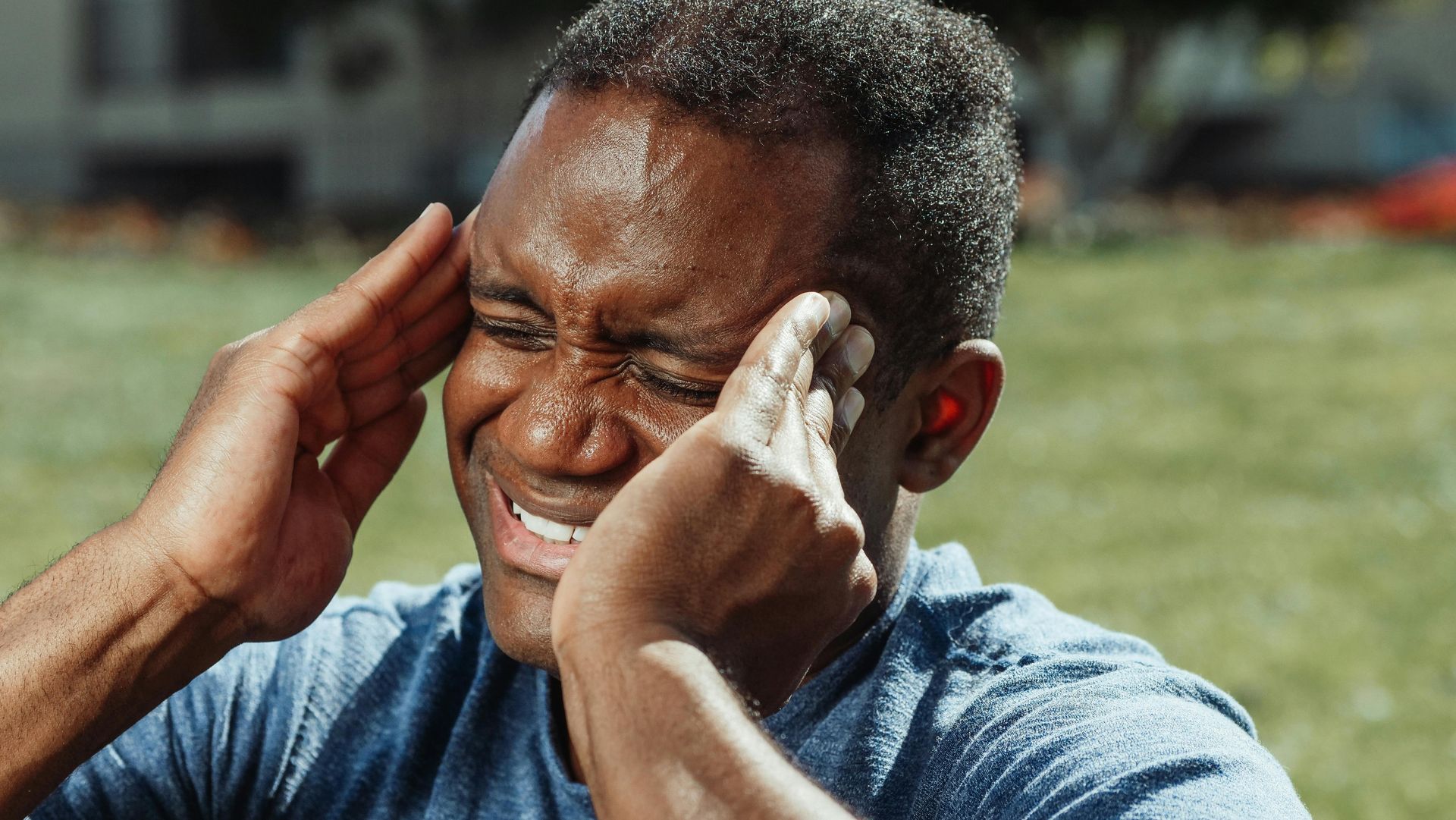
Man holding his temples with eyes shut, grimacing outdoors on a sunny day
By CT Junction Brain & Spine May 12, 2026
Learn why concussion symptoms come and go instead of staying consistent. Discover common triggers, sensory overload, and how neurological rehab can help stabilize recovery.
Hands cradling a pregnant belly, with a blue shirt and wristwatch visible
By CT Junction Brain & Spine May 12, 2026
Struggling in crowds after a concussion? Learn why busy environments trigger dizziness and how vestibular and neurological rehab can help improve sensory processing.
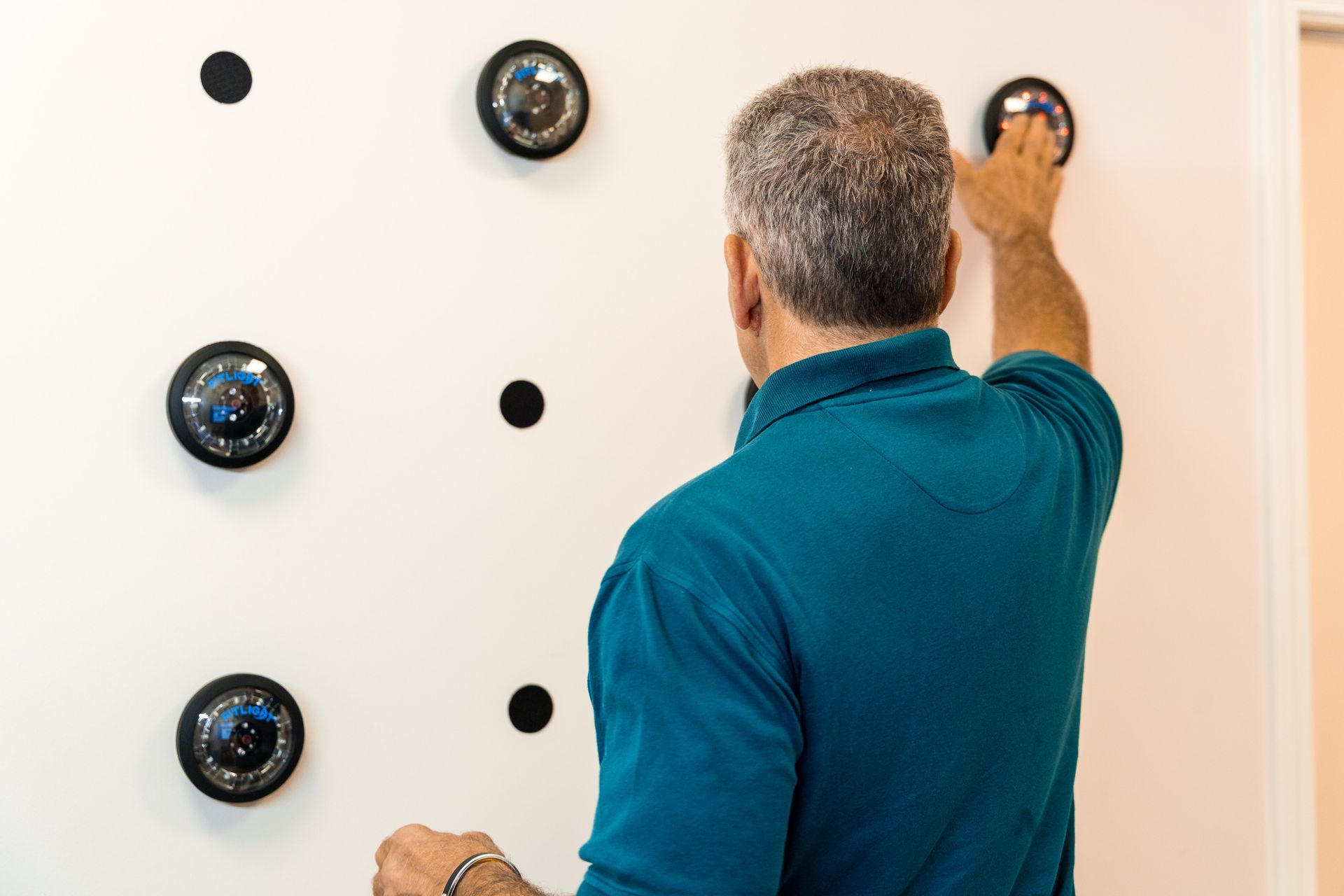
Man reaching up to adjust a round wall fixture on a white wall with other fixtures and black markers
By CT Junction Brain & Spine May 12, 2026
Learn how neurological rehabilitation differs from physical therapy and why it’s essential for effective concussion recovery.
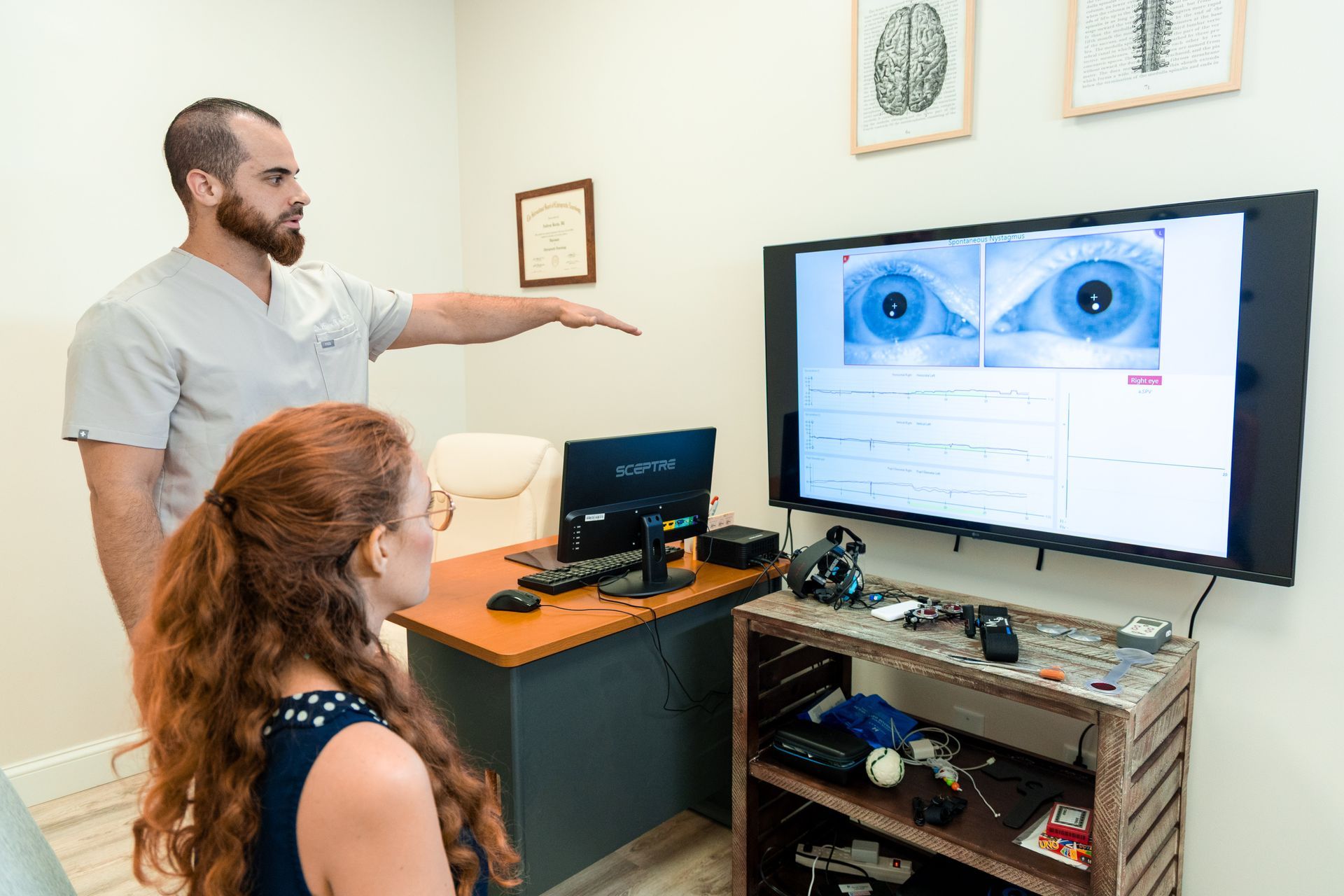
Two people reviewing an eye exam on a large monitor in a clinic office
By CT Brain & Junction May 12, 2026
The Connection Between Vision and Balance

Woman using a laptop in bed, leaning forward with a focused expression in a softly lit bedroom
By CT Junction Brain & Spine May 12, 2026
Do screens worsen your concussion symptoms? Learn how eye strain, visual processing, and neurological stress impact recovery—and how rehab can help.

Person with head down on open books, surrounded by doodled scribbles, at a desk
By CT Junction Brain & Spine May 12, 2026
Struggling with brain fog after a concussion? Learn what causes it, why it happens, and how neurological rehab helps restore focus, clarity, and cognitive function.

A person in a blue shirt opening a glass door at the CT Junction clinic under the text
By CT Junction Brain & Spine March 24, 2026
Learn what happens during a concussion evaluation at CT Junction Brain & Spine, including testing, diagnosis, and next steps for safe recovery.
A person fills out paperwork at a front desk in a clinic, with the text
By CT Junction Brain & Spine March 24, 2026
Discover how long concussion recovery usually takes, what affects healing time, and how CT Junction Brain & Spine supports a safe, full recovery.
A chiropractor adjusts a patient's back on a treatment table, with the text
By CT Junction Brain & Spine March 24, 2026
Understand the difference between a concussion and a headache or dizziness, including key symptoms, warning signs, and when to seek expert care.
A healthcare professional gestures toward a screen displaying
By CT Junction Brain & Spine March 13, 2026
Learn what to do immediately after a concussion or head injury, when to seek emergency care, and when to see a concussion specialist.
Show More