
What Should You Do Immediately After a Concussion or Head Injury?
What you do in the minutes and hours after a head injury matters. While not every head impact leads to a serious emergency, some do, and it is important not to guess. This blog explains what steps to take immediately after a concussion or head injury and when to seek further care at CT Junction Brain & Spine if symptoms persist.
Get Assessed as Soon as Possible
After a head injury, the first priority is safety. If trained medical personnel are available on site, such as an athletic trainer, the person should be assessed right away.
If the injury happened in a car accident, fall, or uncontrolled setting, it is important to pay attention to symptoms and seek prompt medical evaluation when appropriate.
Emergency Care May Be Needed to Rule Out More Serious Injury
One of the biggest early concerns after head trauma is whether there could be something more serious, such as bleeding. Emergency medical providers may decide whether imaging or urgent observation is needed based on the situation and symptoms.
Warning signs that need urgent medical attention include:
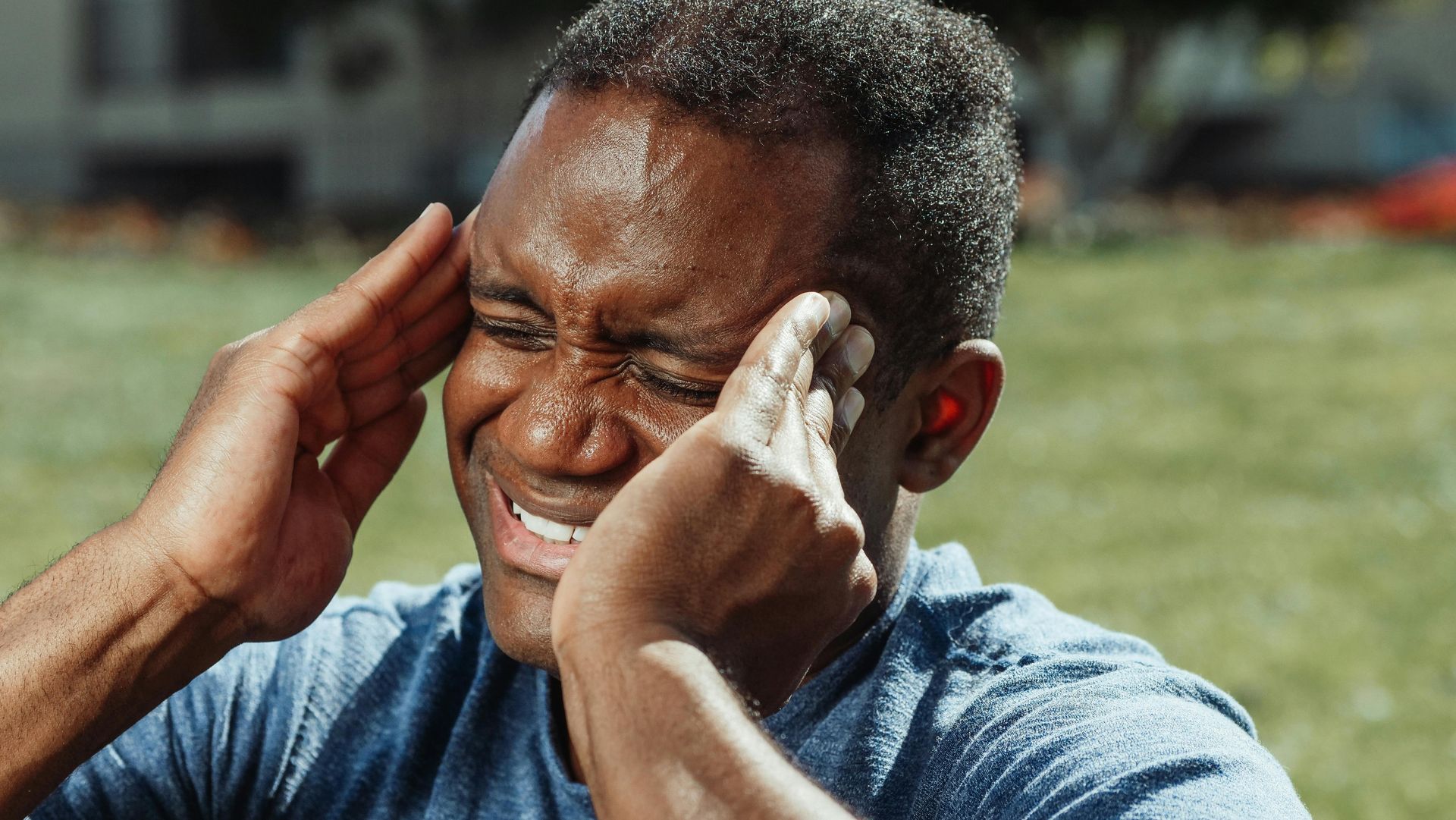
- worsening headache
- repeated vomiting
- confusion that is getting worse
- trouble waking up
- seizure
- unusual behavior
- loss of consciousness
- weakness or neurological changes
A concussion should never be self-diagnosed when red flags may be present.
Rest Helps, But Monitoring Matters Too
In less severe cases, the person still needs monitoring. The old idea that someone should never sleep after a concussion has largely been replaced by a more accurate understanding: sleep itself is not automatically dangerous, but the person should still be observed appropriately and checked if symptoms worsen.
The key issue is not keeping someone awake at all costs. The key issue is making sure serious warning signs are not missed.
If Symptoms Persist, Get a Specialist Evaluation
Some people improve within days or weeks. Others do not. If headache, dizziness, brain fog, visual problems, or balance issues continue, it may be time for a more detailed concussion evaluation.
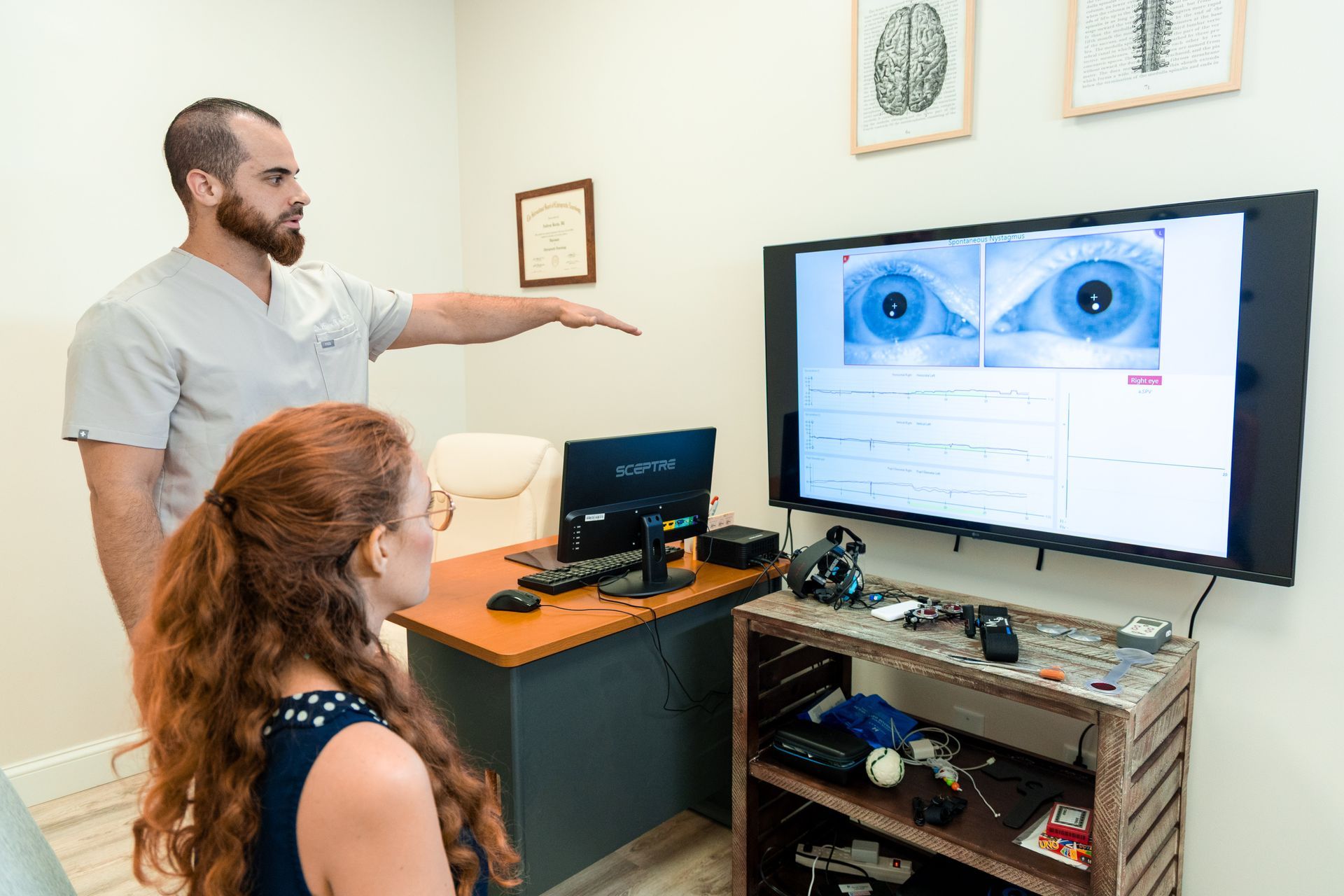
At CT Junction Brain & Spine, patients can receive a comprehensive assessment that looks at neurological, vestibular, visual, and cervical factors to help determine what is keeping recovery from moving forward.
frequently asked questions
What should I do right after hitting my head?
Get assessed, monitor symptoms carefully, and seek urgent medical care when red flags are present.
Should I go to the ER after a head injury?
You should seek emergency care when symptoms are severe, worsening, or suggest a more serious injury.
Can I sleep after a concussion?
Sleep is not automatically forbidden, but the person should still be monitored and evaluated appropriately.
What are signs a concussion is getting worse?
Worsening headache, repeated vomiting, confusion, trouble waking up, seizure, or neurological changes need prompt medical attention.
When should I see a concussion specialist?
If symptoms persist, interfere with daily life, or do not improve as expected, a specialist evaluation may help identify the reason.