
Dave's Success Story: Finding Relief from Chronic Spine and Nerve Pain
In this video testimonial, Dave Bianini shares his journey from debilitating shoulder, spine, and nerve pain to restored mobility and relief after treatment at Connecticut Junction Brain & Spine. After being told his symptoms were simply due to aging and diabetes, Dave sought a second opinion—and found answers that changed everything.
A Misdiagnosed Source of Severe Pain
Dave was experiencing extreme pain in his shoulders, upper and middle spine, with symptoms radiating down into his hands. The discomfort became so severe that he struggled with basic tasks such as:
- Opening doorknobs
- Closing his hands
- Carrying everyday items
Multiple medical specialists attributed his symptoms to neuropathy related to diabetes or degenerative changes due to aging. Despite undergoing MRIs and CAT scans, he felt his condition was being dismissed rather than truly addressed.
A Different Approach at Connecticut Junction Brain & Spine
Searching for alternative solutions, Dave discovered Connecticut Junction Brain and Spine and scheduled an appointment with Dr. Rosha.
What stood out immediately to Dave:
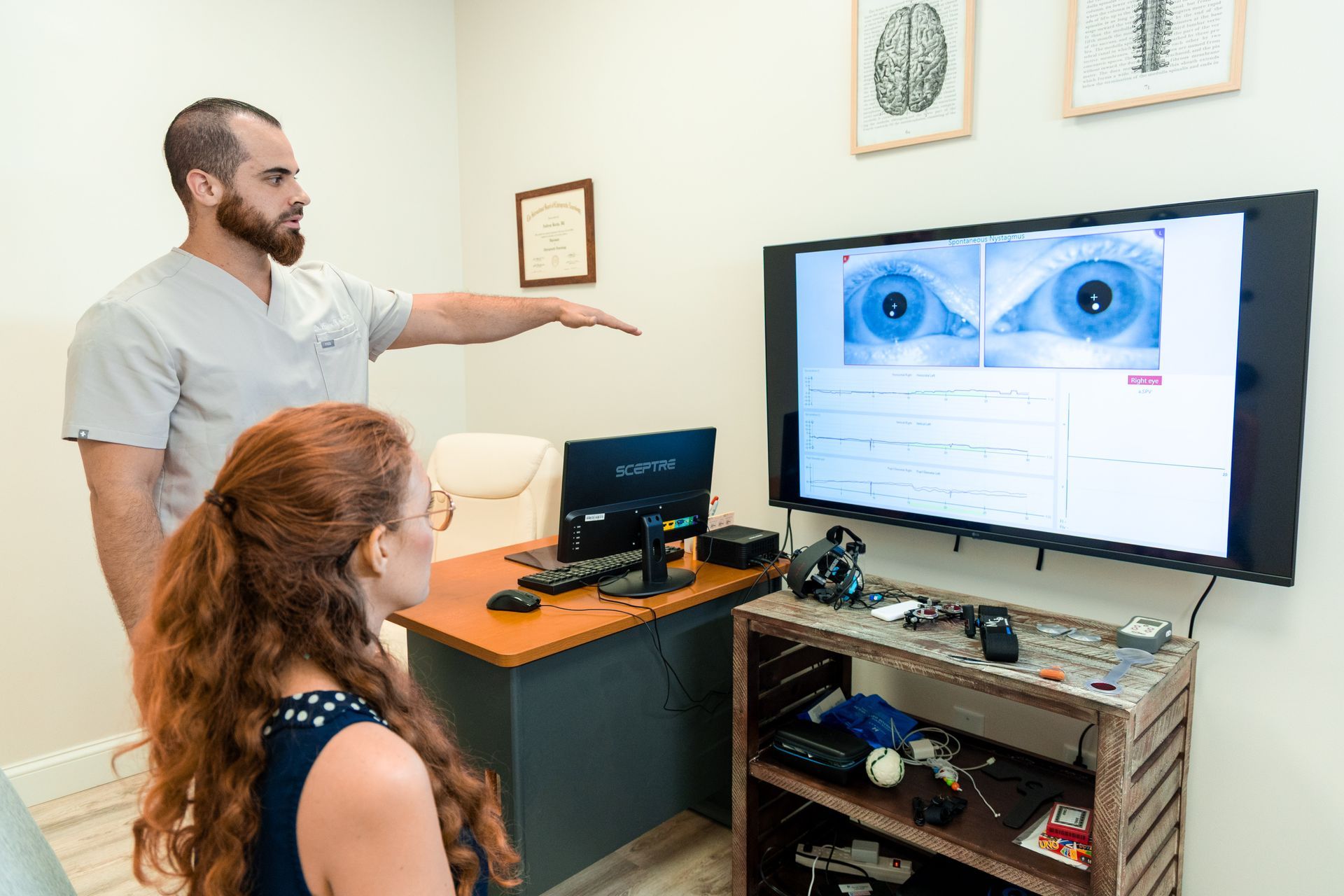
- A modern, well-equipped office
- Advanced treatment modalities
- A thorough review of previous MRI and CAT scan results
- A diagnosis that differed significantly from prior evaluations
- Dr. Rosha developed a targeted treatment plan that began with specific modalities followed by chiropractic adjustments.
Noticeable Results from Day One
After his first treatment, Dave experienced immediate improvement in mobility. While some discomfort remained initially, he was able to move his fingers more freely right away.
Following several treatments, he regained abilities he had previously lost. His well-being greatly improved as a result.
“The Only Thing You Have to Lose Is the Pain”
Today, Dave considers seeking care at Connecticut Junction Brain and Spine the best decision he could have made.
His experience highlights the importance of pursuing a thorough evaluation and exploring treatment options when answers feel incomplete.
If you are living with persistent spine or nerve pain and feel your concerns haven’t been fully addressed, this story may encourage you to explore a different path toward relief.
frequently asked questions
What causes pain in the shoulders, upper spine, and hands?
Pain in the shoulders, upper spine, and hands is often caused by nerve compression in the cervical (neck) or upper thoracic spine. When spinal joints, discs, or surrounding tissues put pressure on nerves, symptoms can radiate into the shoulders, arms, and hands.
Although conditions like diabetic neuropathy can cause hand pain, spinal nerve irritation is another common and often overlooked cause.
Can nerve pain in the hands come from the spine?
Yes. Nerves that control the arms and hands originate in the cervical spine. If those nerves are compressed or irritated, it can lead to:
- Tingling or numbness
- Weakness in the hands
- Difficulty gripping or opening objects
- Radiating pain from the neck or upper back
This condition is commonly referred to as cervical radiculopathy.
How is spinal nerve compression diagnosed?
Spinal nerve compression is typically diagnosed through:
- A detailed physical examination
- Review of symptoms and medical history
- MRI or CT scan imaging
- Neurological testing to assess strength and reflexes
A comprehensive evaluation helps determine whether symptoms are coming from neuropathy, degenerative changes, or mechanical nerve compression.
Can chiropractic care help with radiating arm and hand pain?
Chiropractic care may help relieve radiating arm and hand pain when the cause is spinal misalignment or nerve compression. Treatment often includes:
- Targeted spinal adjustments
- Therapeutic modalities to reduce inflammation
- Mobility and stabilization exercises
Many patients experience improved range of motion and reduced pain after consistent treatment.
How quickly can you see results from spinal treatment?
Results vary depending on the severity and cause of the condition. Some patients notice improved mobility or reduced pain after their first visit, while others require multiple treatments for significant improvement. A personalized care plan determines the expected timeline.