
What Are the Most Common Concussion Symptoms to Watch for After a Head Injury?

CT Junction Brain & Spine • March 13, 2026

What Are the Most Common Concussion Symptoms to Watch for After a Head Injury?

A concussion does not always look dramatic right away. In many cases, symptoms can seem mild at first and become more obvious over the next several hours or days.


This blog explains the most common concussion symptoms people should watch for after a fall, car accident, sports injury, or other head impact, and when it may be time to seek a professional evaluation at CT Junction Brain & Spine in Waterbury, CT.

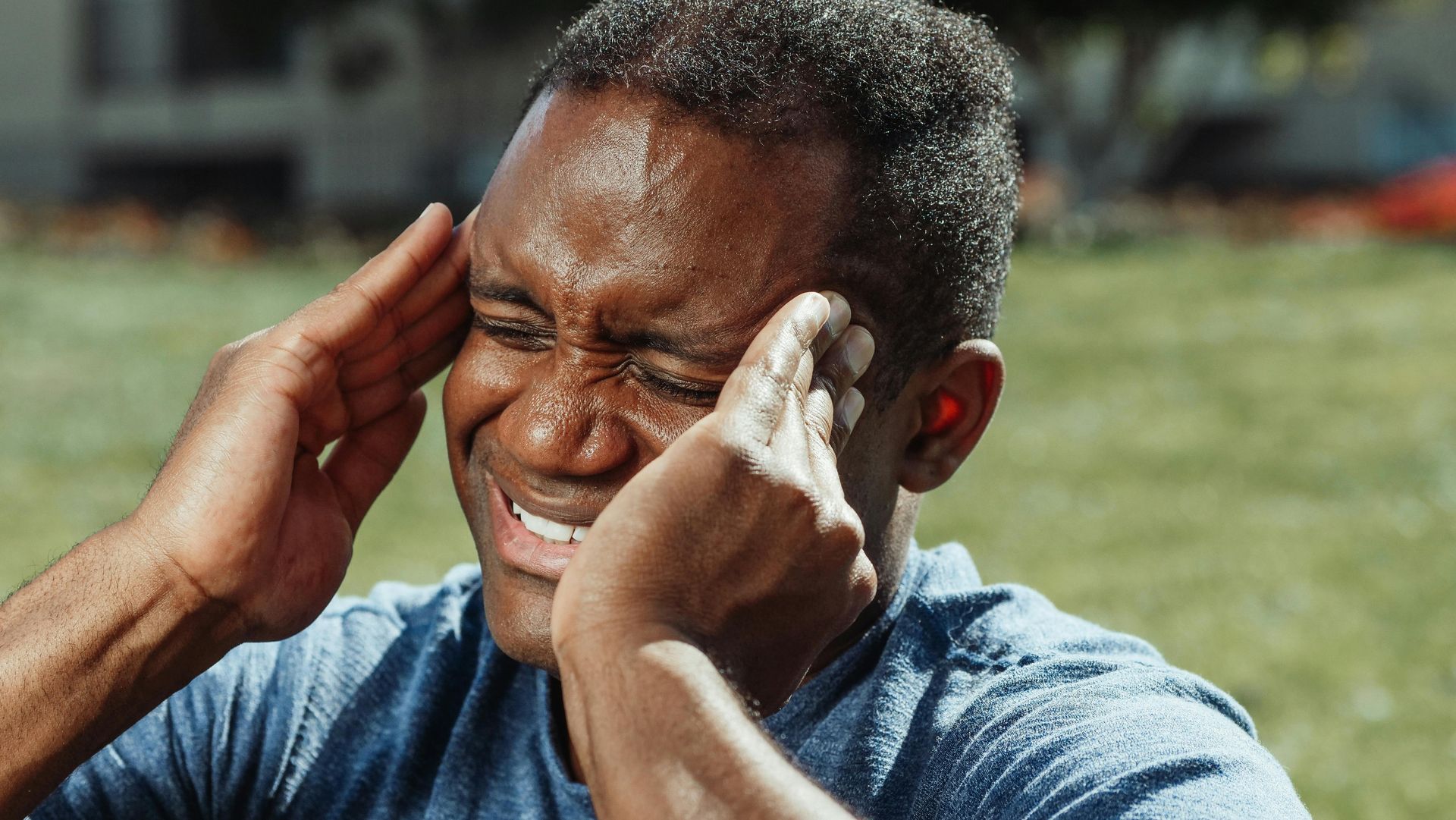
Headache, Dizziness, and Brain Fog Are Common Early Signs

Some of the most common concussion symptoms include:


  • headache
  • dizziness
  • brain fog
  • feeling slowed down
  • trouble focusing
  • feeling “off”


Many patients describe concussion symptoms as a strange change from their normal baseline. They may say, “I just don’t feel right,” even if they cannot explain exactly why. That feeling matters.


A person may have had occasional headaches before, but after a head injury, those headaches may become more frequent, more intense, or more persistent. Dizziness is also extremely common after a concussion and may show up as lightheadedness, imbalance, motion sensitivity, or a spinning sensation.

Light Sensitivity, Noise Sensitivity, and Visual Changes Can Happen Too

A concussion can affect the way the brain processes sensory input. That is why many people notice:


  • light sensitivity
  • noise sensitivity
  • blurred vision
  • difficulty reading
  • trouble with screens
  • eye strain


These symptoms often make work, school, driving, or even normal household activity harder than usual. Some patients also notice that busy environments, bright stores, or fast-moving visuals make them feel worse.


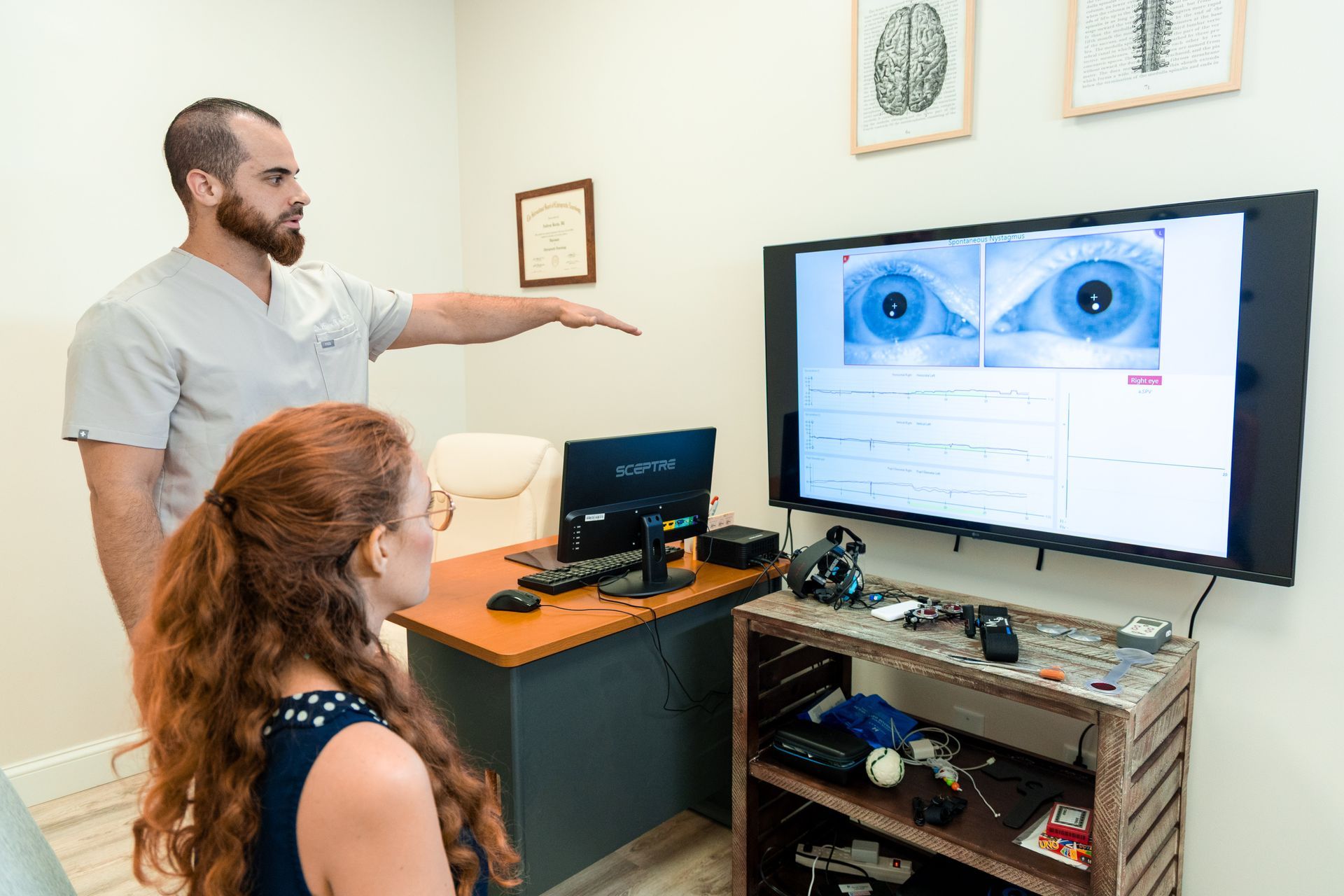
At CT Junction Brain & Spine, these symptoms are especially important because they can point toward problems involving visual tracking, brain-eye coordination, vestibular function, or neurological overload.

Neck Pain Often Shows Up Alongside Concussion Symptoms

After a head injury, many people focus only on the brain and forget the neck. But neck pain is extremely common after concussion-related trauma, especially when whiplash is involved.


A person may experience:


  • neck stiffness
  • upper shoulder tension
  • pain at the base of the skull
  • headaches that start in the neck
  • dizziness triggered by neck movement


This matters because some symptoms that seem like they are “from the concussion” may also be influenced by the cervical spine. That is one reason a thorough concussion evaluation should look beyond just one symptom and assess the whole picture.

When Symptoms Should Not Be Ignored

Concussion symptoms should never be brushed off just because someone did not lose consciousness. A person can still have a concussion even if they stayed awake, kept playing, or felt okay at first.


It is especially important to seek medical attention if symptoms are worsening, lasting longer than expected, or interfering with daily life.


A specialist may help identify whether the main issue involves concussion, vestibular dysfunction, eye tracking problems, neck injury, or a combination of several factors.


At CT Junction Brain & Spine, patients can receive a detailed evaluation designed to identify the domains involved and create a targeted recovery plan.

frequently asked questions

  • How do I know if my headache is from a concussion?

    If the headache started after a head injury or whiplash event and came with other symptoms like dizziness, light sensitivity, or brain fog, concussion is more likely.

  • an dizziness be the only sign of a concussion?

    It can be one of the main signs, but it often appears along with other symptoms.

  • Is every headache after an accident a concussion?

    Not necessarily. Some headaches come more from the neck or other causes, which is why a proper evaluation matters.

  • Can whiplash cause symptoms that feel like a concussion?

    Yes. Whiplash can cause overlapping symptoms, including headache, dizziness, and neck pain.

  • Should I wait to see if it goes away?

    If symptoms persist, worsen, or affect daily life, it is better to get evaluated sooner rather than later.

A person in a blue shirt opening a glass door at the CT Junction clinic under the text
By CT Junction Brain & Spine March 24, 2026
Learn what happens during a concussion evaluation at CT Junction Brain & Spine, including testing, diagnosis, and next steps for safe recovery.
A person fills out paperwork at a front desk in a clinic, with the text
By CT Junction Brain & Spine March 24, 2026
Discover how long concussion recovery usually takes, what affects healing time, and how CT Junction Brain & Spine supports a safe, full recovery.
A chiropractor adjusts a patient's back on a treatment table, with the text
By CT Junction Brain & Spine March 24, 2026
Understand the difference between a concussion and a headache or dizziness, including key symptoms, warning signs, and when to seek expert care.
A healthcare professional gestures toward a screen displaying
By CT Junction Brain & Spine March 13, 2026
Learn what to do immediately after a concussion or head injury, when to seek emergency care, and when to see a concussion specialist.
A healthcare professional examines a patient's neck, with text overlay:
By CT Junction Brain & Spine March 13, 2026
Neck injuries and concussions often happen together after falls, sports injuries, and car accidents. Learn how whiplash and concussion symptoms can overlap.
A medical professional speaks to a patient in an office with the text overlay
By CT Junction Brain & Spine March 11, 2026
Dizziness after a concussion may involve the brain, eyes, inner ear, or neck. Learn why balance problems happen and how CT Junction evaluates the cause.
A professional in scrubs shakes hands with a person in a clinic office. The text asks: Can chiropractic care help recovery?
By CT Junction Brain & Spine March 11, 2026
Learn how chiropractic care may support concussion recovery by addressing neck pain, whiplash, headaches, and related symptoms.
Dave, a patient, giving a testimonial. He is wearing glasses and a blue shirt, with a dark blue backdrop.
By CT Junction Brain & Spine February 20, 2026
Discover how chiropractic care can relieve nerve, spine, shoulder, and hand pain. Restore mobility, reduce discomfort, and improve daily function.
Amy, a patient, smiles in a testimonial video for CT Junction Brain Clinic. Blue background.
By CT Junction Brain & Spine February 20, 2026
Experience personalized chiropractic care at CT Junction Brain & Spine. Relieve lower back pain, improve mobility, and restore daily comfort with Dr. Rosha.
Man in a white shirt, smiling, in front of a blue sign for
By CT Junction Brain & Spine February 20, 2026
Relieve gym-related neck pain with gentle chiropractic care, cupping therapy, and e-stim at CT Junction Brain and Spine. Restore mobility, and recover faster.